
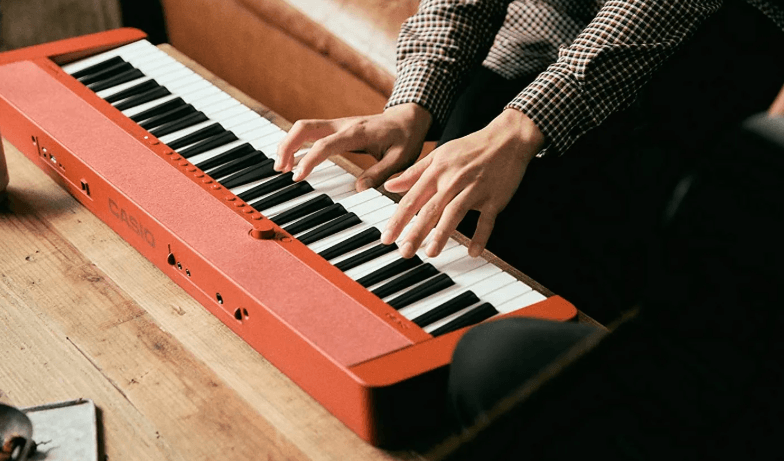
Choosing a first piano is a significant decision for any beginning musician or their parents, and the sheer range of available options can make the process feel more complicated than it needs to be. Understanding what genuinely matters for a beginner’s needs, rather than being swayed by unnecessary advanced features, can help simplify this decision considerably. This article breaks down what to prioritize when selecting the best piano for beginners.
Why the Right Starting Instrument Matters
The instrument a beginner learns on can meaningfully affect their early learning experience, and a piano with poor touch response or inconsistent sound quality can make practice more frustrating and potentially hinder the development of proper technique compared to a well-suited beginner instrument.
Acoustic Versus Digital for New Learners
Both acoustic and digital pianos can serve beginners well, though digital pianos offer practical advantages like headphone practice for quiet learning environments and generally lower maintenance requirements, while acoustic pianos provide an authentic touch and sound experience that some educators consider valuable from the earliest stages of learning.
Key Features That Matter Most for Beginners
For beginning students, weighted, touch-sensitive keys are particularly important regardless of whether an acoustic or digital instrument is chosen, since this feature helps develop proper finger technique and dynamic control from the earliest stages of learning, rather than developing habits that will need to be corrected later.
Avoiding Unnecessary Advanced Features
Many beginner-focused instrument buyers are tempted by instruments loaded with advanced features like extensive sound libraries or complex recording capabilities, but for genuine beginners, prioritizing solid fundamental touch response and reliable sound quality over these advanced features typically provides better value and a more appropriate learning tool. Those researching their options can review a helpful guide to best piano for beginners selections that focus on these genuinely important fundamentals.
Budget Considerations for a First Instrument
Setting a reasonable budget for a first piano, without either overspending on advanced features unnecessary for a beginner or underspending in ways that compromise essential touch and sound quality, helps ensure a worthwhile investment that genuinely supports early learning without unnecessary financial strain.
Planning for Growth Beyond Beginner Level
While a beginner instrument should prioritize fundamentals suited to early learning, considering whether the chosen piano will continue to serve a student adequately as their skills develop, at least for a reasonable initial learning period, can help avoid the need for a premature upgrade shortly after starting lessons.
Frequently Asked Questions
Is a digital piano suitable for a genuine beginner, or is acoustic always better? A quality digital piano with weighted, touch-sensitive keys is entirely suitable for beginners, offering practical advantages like quiet practice while still supporting proper technique development.
What is the single most important feature to prioritize in a beginner piano? Weighted, touch-sensitive key action is generally considered the most important feature, as it directly supports the development of proper finger technique and dynamic control from the start.
Should beginners avoid pianos with advanced features like extensive sound libraries? Not necessarily avoid entirely, but beginners should prioritize fundamental touch and sound quality over advanced features, which often add cost without providing meaningful benefit at the early learning stage.
Conclusion
Choosing the best piano for a beginner comes down to prioritizing genuine fundamentals, particularly quality touch response, over unnecessary advanced features that add cost without meaningfully supporting early learning. A thoughtful, needs-focused approach to this decision will help set a new musician up for a genuinely positive and effective learning experience.
