
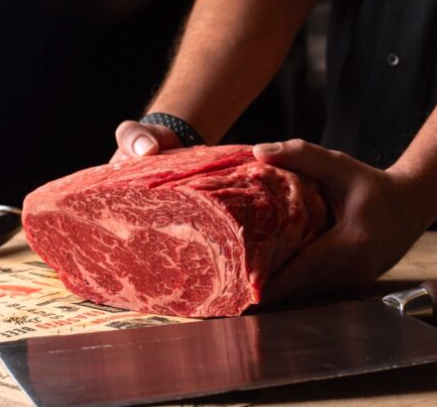
Beef is a versatile ingredient found across many cuisines, from traditional home cooking to modern restaurant menus. In a busy city such as Hong Kong, reliable food storage and sourcing are especially important because consumers and food businesses need ingredients that can be maintained safely while preserving quality. Frozen products offer a practical solution by providing flexibility for households, restaurants, caterers, and food-service operations.
When selecting frozen beef Hong Kong consumers and businesses should consider several factors beyond price. Product quality, packaging, storage conditions, cut selection, cooking requirements, and responsible food handling can all influence the final dining experience. Understanding these elements makes it easier to choose suitable beef for different meals and kitchen requirements.
Why Frozen Beef Can Be a Practical Choice
Fresh beef is often associated with immediate preparation, but frozen beef can provide several practical advantages. Freezing helps extend the usable storage period of meat when it is handled and stored correctly. This can be particularly useful for households that do not prepare beef every day.
For restaurants and catering businesses, frozen products can also make inventory planning easier. Instead of purchasing meat for immediate use only, kitchens can organize supplies according to expected demand and available freezer capacity.
The key is maintaining the correct cold-storage conditions throughout the process. Freezing does not replace good food-safety practices. Proper packaging, storage temperatures, handling, and thawing remain essential.
Understanding Different Beef Cuts
Choosing the right cut is one of the most important decisions when preparing beef. Different cuts have different textures and cooking characteristics.
Tender cuts are often suitable for quick cooking methods such as grilling, pan-searing, or stir-frying. Other cuts may contain more connective tissue and can benefit from slower cooking methods.
Common beef categories include:
- Steaks for grilling or pan-searing
- Thin slices for stir-fries
- Cubes for stews and braised dishes
- Minced beef for burgers, sauces, and fillings
- Larger portions for roasting or slow cooking
Before purchasing, it is useful to consider the intended recipe. Selecting a cut based on its cooking method can improve both texture and flavor.
What to Look for When Buying Frozen Beef
Packaging provides useful information when evaluating frozen meat. Consumers should check that the packaging is intact and that there are no obvious signs of damage.
Excessive ice buildup or large amounts of frost may indicate temperature fluctuations or prolonged storage conditions. While some frost can naturally occur in frozen products, unusual amounts deserve attention.
Labels should also be reviewed carefully. Depending on the product, they may provide information about the cut, weight, origin, storage instructions, production information, and use-by or best-before guidance.
For businesses, consistent labeling can make inventory management easier and help kitchen staff identify products quickly.
The Importance of Cold-Chain Management
Cold-chain management is an important part of maintaining frozen food quality. Beef should remain at appropriate frozen temperatures during transportation and storage.
A break in the cold chain can affect food quality and may increase food-safety concerns. For this reason, businesses handling frozen meat should have suitable freezer facilities and procedures for receiving and storing products.
When deliveries arrive, staff should inspect packaging and transfer products into suitable storage as efficiently as possible. Freezers should also be monitored regularly to ensure they remain within the recommended operating range.
Good inventory rotation is another useful practice. Older stock should generally be used before newer stock when appropriate, helping reduce unnecessary food waste.
Safe Thawing Practices
Thawing is just as important as freezing. Meat should be thawed using a safe method rather than being left at room temperature for extended periods.
Refrigerator thawing is commonly considered a controlled approach because it keeps the meat at a safer temperature while it defrosts. Depending on the size of the cut, this process may take several hours or longer.
For quicker preparation, other food-safe methods may be appropriate when followed correctly. The important point is to avoid leaving beef exposed to unsuitable temperatures for prolonged periods.
Once thawed, beef should be handled promptly and according to applicable food-safety guidance.
Preparing Beef for Different Dishes
The preparation method should match the cut. Thinly sliced beef, for example, can work well in quick stir-fry dishes because the pieces cook rapidly.
Stewing beef can be better suited to slow cooking, where extended cooking time helps develop flavor and tenderness. Steak cuts may benefit from high-heat cooking, while minced beef can be used in a wide range of recipes.
Seasoning is another opportunity to adapt beef to different cuisines. Asian-inspired dishes may use soy sauce, ginger, garlic, sesame, or other aromatics, while Western recipes may focus on herbs, pepper, butter, or sauces.
The versatility of beef makes it suitable for both traditional recipes and contemporary menus.
Reducing Food Waste
Good planning can help households and restaurants reduce food waste. Buying quantities that match actual consumption is one of the simplest steps.
For commercial kitchens, inventory records can provide useful information about which cuts are used most frequently. This allows purchasing decisions to be based on real demand rather than guesswork.
Portion control can also help. Preparing appropriately sized portions reduces leftovers and makes food costs easier to manage.
Frozen storage can provide additional flexibility, but it should not become an excuse for indefinite storage. Products should always be managed according to their labeling, storage instructions, and quality requirements.
Using Frozen Beef in Hong Kong Kitchens
Hong Kong’s diverse food culture provides many opportunities for beef dishes. Beef can appear in noodle dishes, hot pots, stir-fries, rice meals, sandwiches, burgers, soups, and Western-style dinners.
Restaurants can benefit from choosing cuts that match their menus and kitchen equipment. A restaurant specializing in hot pot may have different requirements from a steakhouse or a casual café.
For households, convenience is often an important consideration. Frozen beef can be stored until it is needed, making it easier to plan meals around busy schedules.
When searching for suitable frozen beef Hong Kong consumers can focus on product information, packaging, storage requirements, and the type of cut that best matches their cooking plans.
Maintaining Hygiene in the Kitchen
Food hygiene should remain a priority when handling raw beef. Hands, cutting boards, knives, counters, and other surfaces should be cleaned appropriately after contact with raw meat.
Separate preparation areas can help reduce the risk of cross-contamination between raw meat and ready-to-eat foods. Kitchen staff should also understand proper handwashing and food-storage procedures.
Restaurants and catering businesses should establish clear hygiene policies and make sure employees follow them consistently.
See also: Creating Durable Metal Products With Consistent Surface Finishes
Making Better Purchasing Decisions
A good purchasing decision balances quality, quantity, convenience, and intended use. The cheapest product is not always the most suitable choice if its cut, packaging, or storage requirements do not match the buyer’s needs.
Consumers should consider how often they cook beef and which dishes they prepare most frequently. Businesses should also evaluate storage capacity, customer demand, portion sizes, and menu requirements.
By approaching purchasing as part of the wider food-preparation process, buyers can make more informed choices and reduce unnecessary waste.
FAQs
1. Is frozen beef suitable for everyday cooking?
Yes. When properly packaged, stored, thawed, and handled, frozen beef can be a convenient option for everyday meals.
2. How should frozen beef be thawed?
A controlled method such as thawing in the refrigerator is generally preferred. The meat should not be left at room temperature for extended periods.
3. How do I choose the right beef cut?
Choose the cut according to the intended cooking method. Tender cuts may suit quick cooking, while tougher cuts can work well for slow-cooked dishes.
Conclusion
Frozen beef can be a convenient and flexible ingredient for households and food businesses in Hong Kong. Its usefulness depends on proper product selection, reliable cold-chain management, suitable storage, safe thawing, and appropriate cooking methods.
By understanding different beef cuts and matching them with the right recipes, consumers can make better purchasing decisions while reducing waste. For restaurants and professional kitchens, organized inventory management and food-safety procedures can further improve efficiency and consistency.
