
Introduction
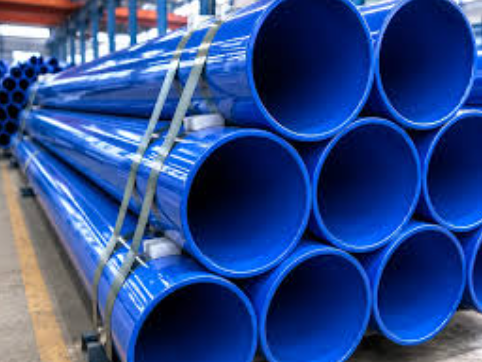
Purchasing coated steel pipe requires careful planning because the product must satisfy both the requirements of the steel pipe and the protective coating system. Buyers need to consider the operating environment, pipe dimensions, steel grade, coating type, inspection, handling, and delivery before placing an order.
Businesses looking for coating on steel pipe for sale should first establish a detailed specification. This makes it easier to compare suppliers and ensures that the products offered are suitable for the intended application.
Identify the Application
The first step is to understand where the pipe will be used.
Pipeline systems, industrial facilities, water infrastructure, and other projects may expose steel to different environmental conditions.
The application can influence the required steel grade, dimensions, coating system, and inspection requirements.
See also: Exploring Titanium Foil in Precision Manufacturing
Assess Corrosion Exposure
Corrosion risk depends on the surrounding environment and operating conditions.
Underground installation may involve soil and moisture, while above-ground applications can face atmospheric exposure and temperature changes. Industrial environments may introduce additional chemicals or contaminants.
The coating should be selected according to the actual exposure conditions.
Choose the Steel Pipe Specification
Before considering the coating, buyers should define the underlying pipe requirements.
These may include:
- Steel grade
- Pipe diameter
- Wall thickness
- Length
- Manufacturing method
- Applicable standard
- Dimensional tolerances
A complete pipe specification provides a clear foundation for supplier quotations.
Select the Coating System
The coating system should match the project’s corrosion-control requirements.
FBE is one option used for external protection of steel pipe. Other coating systems may be appropriate for different environments or project specifications.
The selected coating should be clearly identified in the purchase documents.
Define Surface Preparation
Surface preparation is essential to coating performance.
The steel surface should be cleaned and prepared according to the applicable coating specification before application.
Buyers can ask suppliers how surface preparation is controlled and inspected during production.
Establish Inspection Requirements
Inspection should be included in the procurement plan.
Depending on the project, quality checks may include coating thickness, visual inspection, adhesion, holiday detection, or other specified tests.
The buyer and supplier should agree on the inspection scope before production begins.
Consider Pipe Handling
Coated pipe can be vulnerable to damage from improper handling. Lifting equipment, supports, storage, and transportation should be suitable for coated products.
Buyers should discuss handling procedures with the supplier, especially when the pipe will travel long distances.
Plan Delivery
Delivery planning should account for manufacturing time, inspection, packaging, shipping, customs, and final transportation.
For construction projects with strict schedules, procurement should begin early enough to allow for unexpected delays.
A defined delivery schedule can help coordinate material arrival with installation activities.
Evaluate Supplier Documentation
Buyers should request appropriate technical and quality documents.
These may include material certificates, coating records, inspection results, product specifications, and shipment documentation.
Clear records provide useful traceability and can support quality assurance during installation.
Compare Suppliers
A supplier comparison can include:
- Product specification
- Coating type
- Quality controls
- Inspection
- Documentation
- Production capacity
- Packaging
- Lead time
- Transportation
- Commercial terms
Evaluating these factors together helps buyers understand the complete supply arrangement.
FAQs
1. What should I check before buying coated steel pipe?
Check the steel grade, dimensions, manufacturing standard, coating type, surface preparation, inspection requirements, handling procedures, documentation, and delivery schedule.
2. Why is the operating environment important?
The environment determines the type of exposure the pipe may experience and therefore influences the corrosion-protection requirements.
3. Should coated pipe be inspected before installation?
Yes. Inspection can help identify damage or coating defects before the pipe is installed. The exact inspection procedure should follow the project specification.
Conclusion
Buying coated steel pipe requires a complete understanding of both the pipe and its protective coating. Buyers should define the application, corrosion exposure, steel specification, coating system, surface preparation, inspection, handling, and delivery requirements before requesting quotations.
A detailed procurement process makes supplier comparisons easier and helps ensure that the purchased pipe is aligned with the project’s technical and operational requirements.
