
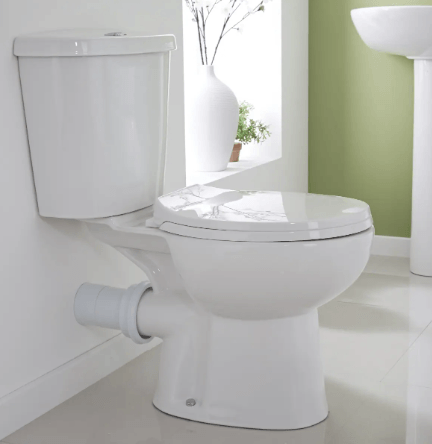
Replacing a toilet begins with selecting a compatible model and verifying rough-in distance, bowl size, and GPF. Precise measurements and space prep ensure a proper fit before removal. The process proceeds with shutoff, draining, and disconnecting the supply, followed by careful removal of the old unit. Installation requires correct alignment, gasket seating, and secure mounting. Leaks, wobble, and flush performance must be tested, with adjustments made to seal gaps and address any lingering fit issues before concluding.
Choose the Right Toilet for Your Home
Selecting the appropriate toilet begins with assessing three core factors: flushtype compatibility with the plumbing, bowl shape and size for user comfort, and efficiency specifications expressed by gallons per flush (GPF).
The decision emphasizes toilet aesthetics and water efficiency, balancing performance, noise, and maintenance considerations.
A measured choice supports reliability, retrofit ease, and long-term energy savings without compromising home design.
Measure the Rough-In and Prep the Space
Measure the rough-in accurately before proceeding with installation. The technician records flange-to-wall distance and centerline location, ensuring compatibility with selected toilet. Accurate rough-in measurements determine fit and plumbing alignment, reducing future alterations.
Space preparation involves clearing obstruction, verifying floor surface level, and marking reference points. Prepare tools, seal gaps, and protect surroundings. Documentation should note dimensions for reference and future maintenance.
Remove the Old Toilet and Install the New One
The removal of the existing toilet begins with shutting off the supply, draining the tank, and disconnecting the water line to prevent leaks.
The old unit is detached at mounting bolts, lifted, and inspected for residue.
The new toilet is positioned, aligned, and secured.
Consider toilet design and water efficiency features to optimize space, performance, and occupancy comfort.
See also: What Is Double Spending Problem?
Finish, Test, and Troubleshoot Small Issues
After installation, the toilet should be finished, tested, and any small issues resolved with methodical checks: verify the bowl and tank are securely seated and level, confirm the wax ring seal is intact, and ensure no gaps or rocking exist.
Document flushing performance, inspect supply line connections, and address leaks or loose bolts promptly for new toilet installation reliability.
Conclusion
Replacing a toilet is a high-stakes, precision operation that demands flawless alignment and rock-solid seals. When done correctly, the new unit delivers a flawless flush with the quiet confidence of a cat’s whisker, while the old one vanishes into a void of leaks and wobble. Inaccurate rough-in, mis-seated seals, or sloppy leveling turn triumph into chaos, transforming a simple upgrade into a daily reminder of gravity’s relentless pummeling. Precision, testing, and flawless execution prevail.
