
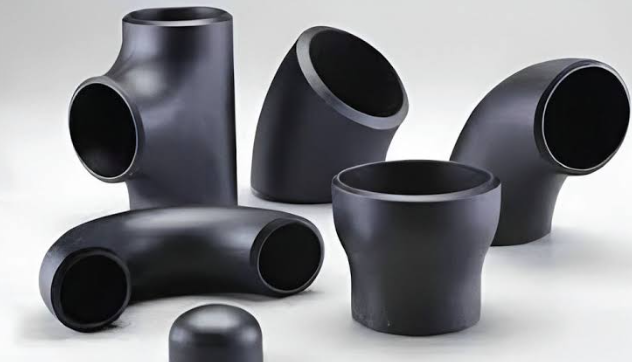
Modern industrial piping projects must balance performance, reliability, cost, and installation efficiency. From large processing plants to specialized equipment, every connection can influence the overall effectiveness of the system. Selecting suitable fittings early in the design process can prevent problems later.
A titanium tee can serve as a branch connection in systems where titanium is appropriate for the operating environment.
Begin with System Requirements
Before selecting components, project teams should establish the basic requirements of the piping network. These include pipe dimensions, operating pressure, temperature, fluid type, flow rate, and installation method.
A detailed specification allows suppliers to provide more accurate products and quotations.
Understand the Purpose of Each Connection
Different fittings perform different functions. A tee is generally used where one pipeline needs to branch into another section.
Understanding the purpose of each connection helps engineers avoid unnecessary components and maintain a logical system layout.
See also: Creating Durable Metal Products With Consistent Surface Finishes
Material Compatibility
Material compatibility is essential in fluid systems. The selected fitting must withstand the chemical and physical conditions of the transported medium.
Titanium may provide useful corrosion resistance in certain demanding environments, but the exact application should always be evaluated by qualified engineering teams.
Dimensional Consistency
A piping system can contain hundreds or thousands of individual components. Consistency across all fittings is therefore essential.
Manufacturers should maintain appropriate dimensional controls and inspection processes to ensure repeatable production.
Manufacturing and Fabrication
The selected fitting should be compatible with fabrication methods used on site. If welding is required, project teams should consider joint design, accessibility, welding procedures, and inspection requirements.
Good coordination between design and fabrication teams can reduce installation delays.
Managing Procurement
Procurement teams should order components according to approved specifications rather than relying on general descriptions.
Purchase documentation should clearly identify material grade, dimensions, standards, quantity, testing, and required certificates.
Quality Documentation
Documentation can help confirm that delivered components meet project requirements. It also provides useful information for future maintenance, audits, and replacement activities.
Organized records are particularly important for large industrial installations.
Delivery Planning
Specialized fittings may require manufacturing time, particularly when custom dimensions or materials are involved. Procurement should therefore begin early enough to account for production, inspection, packaging, and transportation.
Good planning helps prevent construction delays.
Lifecycle Considerations
A component should be evaluated according to its expected service life, not only its purchase price. Durable materials and reliable manufacturing may reduce maintenance requirements over time.
This approach can help businesses achieve better long-term value.
Working with Specialized Manufacturers
A manufacturer experienced in titanium fittings may be able to provide technical assistance during specification and production. Customers can benefit from discussing dimensions, material requirements, inspection procedures, and application conditions before finalizing an order.
Strong communication can prevent misunderstandings and reduce rework.
FAQs
What is the main purpose of a tee fitting?
A tee fitting provides a three-way connection, commonly allowing a branch pipeline to connect to a main line.
How should a piping fitting be selected?
Selection should consider material compatibility, dimensions, pressure, temperature, fluid characteristics, connection method, applicable standards, and installation requirements.
Why should procurement start early?
Specialized components may require manufacturing and inspection time. Early procurement reduces the risk of project delays.
Conclusion
Successful piping projects depend on thoughtful component selection from the design stage through installation and maintenance. By defining system requirements, selecting compatible materials, verifying dimensions, checking documentation, and working with experienced manufacturers, project teams can build more dependable piping systems and achieve better long-term performance.
