
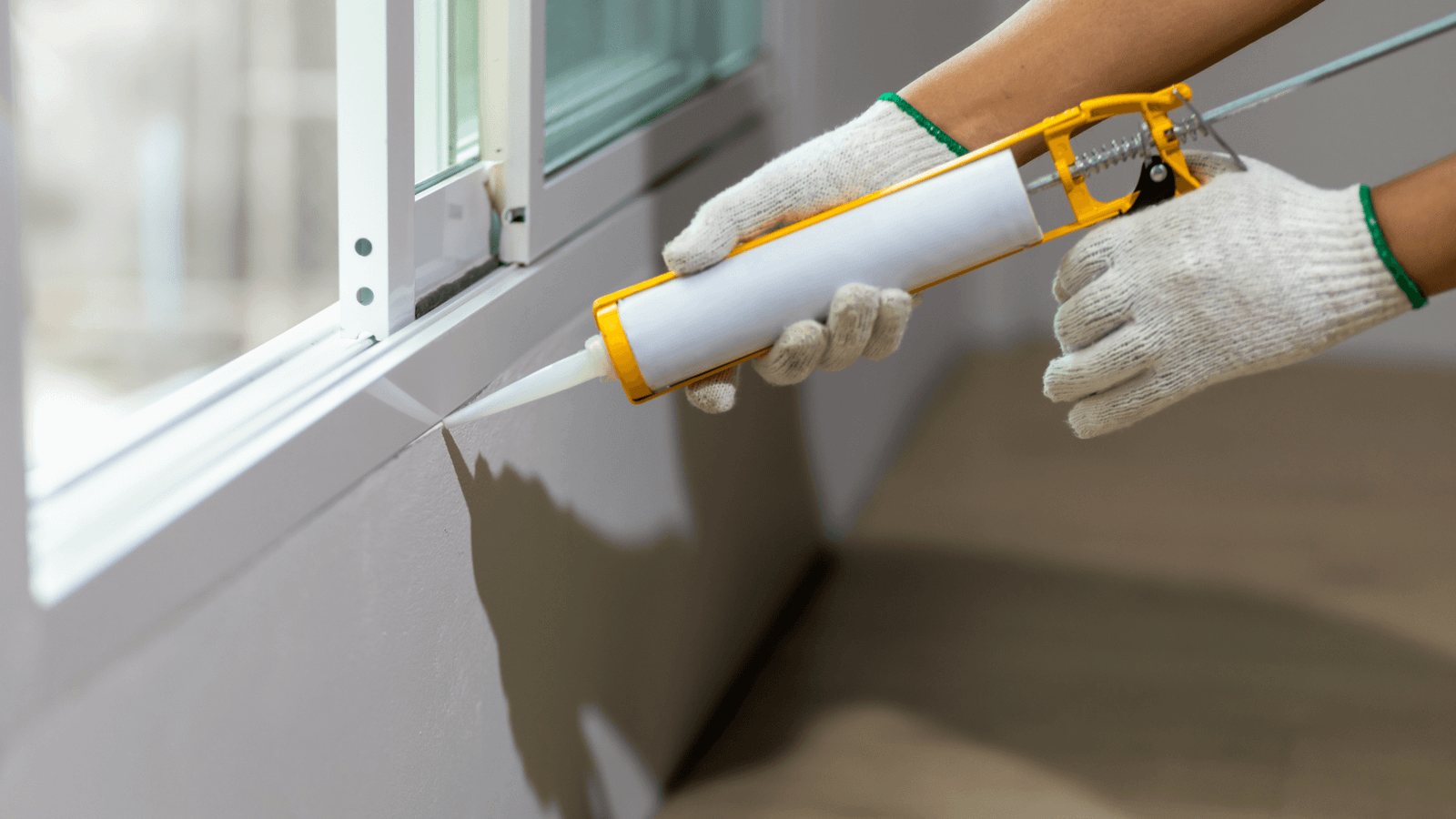
Silicone adhesives can be useful in applications where flexibility, adhesion, environmental resistance, and controlled processing are important. Photovoltaic manufacturing can involve adhesive systems that must be formulated carefully for their intended assembly function.
Fine inorganic fillers can be incorporated into selected silicone formulations to modify rheology and other physical characteristics. Silica is commonly considered in this context, but the appropriate grade and concentration depend on the silicone chemistry and manufacturing process.
Why Fillers Are Used in Silicone Systems
Fillers can perform several functions within a silicone formulation.
Depending on their characteristics, they may influence:
- Viscosity
- Rheology
- Mechanical properties
- Dimensional stability
- Processing behavior
- Surface characteristics
The exact effect depends on the filler type, surface treatment, loading, and silicone matrix.
Read Also: Buying Coated Steel Pipe for Project Requirements
Rheology and Dispensing
Photovoltaic assembly may require precise adhesive application.
A silicone adhesive must therefore have flow behavior compatible with the dispensing equipment.
If viscosity is too low, the material may spread excessively. If it is too high, dispensing may require greater pressure or slower production speeds.
Fine silica can influence this balance and should be evaluated carefully.
Reinforcement Effects
Silica can interact with silicone polymers and contribute to changes in mechanical behavior.
The degree of reinforcement depends on factors such as surface area, surface chemistry, dispersion, and loading level.
A well-designed formulation can provide controlled physical properties while remaining processable.
Importance of Surface Treatment
The surface of silica particles can be modified to influence compatibility with silicone systems.
Hydrophobic surface characteristics may be useful in certain formulations, while other systems may require different interactions.
The selection should be based on the chemistry of the silicone and the requirements of the adhesive.
Dispersion During Manufacturing
Fine silica particles need to be distributed uniformly throughout the silicone matrix.
Agglomerates can create inconsistent viscosity and mechanical behavior.
Mixing equipment, shear, temperature, and addition sequence should therefore be optimized.
Manufacturers should establish a repeatable mixing procedure before moving to large-scale production.
Curing Behavior
Silicone adhesives may use different curing mechanisms.
Adding a filler can potentially influence processing or curing behavior, depending on the formulation.
Manufacturers should monitor cure time, temperature, humidity where relevant, and final mechanical properties during formulation development.
Thermal Considerations
Photovoltaic assemblies can experience temperature changes during their operating environment.
Adhesive developers may therefore evaluate thermal stability and changes in physical properties over the expected temperature range.
Testing should reflect the intended application and relevant industry requirements.
Moisture and Environmental Exposure
Outdoor solar installations can encounter humidity and changing weather conditions.
Silicone adhesive systems should be evaluated for their response to environmental exposure.
Testing can include moisture conditioning, temperature cycling, and other application-relevant assessments.
The exact testing program depends on the product design.
Adhesion to Different Substrates
The adhesive may need to bond different materials.
Adhesion testing should therefore use the actual substrates whenever possible.
Surface preparation can also affect results.
Cleanliness, surface energy, roughness, and processing conditions should all be considered.
Selecting a Suitable Filler
Manufacturers evaluating photovoltaic silicone adhesive filler should examine the filler according to the requirements of the complete silicone system.
Relevant characteristics may include:
- Specific surface area
- Surface treatment
- Particle structure
- Dispersion
- Moisture interaction
- Compatibility
- Loading requirements
Quality Control
Consistent raw materials are important for repeatable adhesive production.
Incoming inspection can verify product identity, packaging, batch information, and relevant technical specifications.
Finished adhesive testing can include viscosity, cure behavior, adhesion, mechanical properties, and appearance.
Scale-Up and Production
Moving from laboratory development to production can introduce new variables.
Industrial mixers may generate different shear conditions, while larger vessels can change heat transfer and mixing efficiency.
Pilot production can help confirm whether the selected filler and formulation remain consistent at manufacturing scale.
Frequently Asked Questions
1. Why is silica considered for silicone adhesives?
Silica can influence rheology, viscosity, mechanical characteristics, and other physical properties depending on the formulation.
2. Does filler loading affect adhesive performance?
Yes. Changes in filler concentration can alter processing and final material characteristics, so loading levels should be established through controlled testing.
3. What should be tested before production?
Manufacturers can evaluate dispersion, viscosity, curing, adhesion, mechanical behavior, moisture response, and temperature-related characteristics according to the application.
Conclusion
Fine fillers can play an important role in the development of silicone adhesive systems for photovoltaic applications. Their effect depends on particle characteristics, surface treatment, dispersion, loading level, and compatibility with the silicone matrix.
A controlled development process that combines laboratory testing, pilot-scale validation, and production quality control can help manufacturers establish a consistent adhesive formulation suited to their specific application.
