
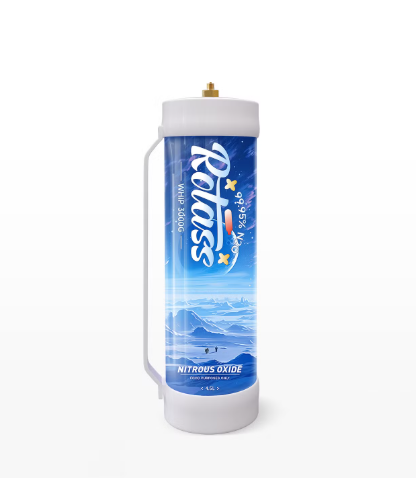
Modern food preparation often depends on equipment that can make routine kitchen tasks more efficient without compromising quality. In professional kitchens, cafés, bakeries, and catering environments, pressurized culinary systems may be used for specific food-preparation applications. A rotass n2o cylinder is one example of equipment associated with culinary aeration, particularly when used with compatible food-service equipment.
Although the basic concept may appear simple, responsible use requires attention to equipment compatibility, food safety, storage, handling, and maintenance. Understanding how these factors work together can help kitchen professionals establish a safer and more consistent preparation process.
What Is an N2O Cylinder?
An N2O cylinder is a pressurized container designed to hold nitrous oxide. In legitimate culinary applications, food-grade nitrous oxide can be used with suitable equipment to aerate ingredients such as cream.
The cylinder itself is only one component of the complete preparation system. A compatible dispenser or other approved culinary equipment is required for the intended food application. Users should always follow the manufacturer’s instructions concerning compatibility, operation, capacity, and maintenance.
Because the cylinder contains compressed gas, it should be treated as a pressurized container rather than an ordinary kitchen ingredient.
Culinary Applications of Nitrous Oxide
In food preparation, nitrous oxide is commonly associated with aeration. One familiar application is whipped cream, where the gas helps create a light and airy texture when used through an appropriate culinary dispenser.
Whipped cream can be incorporated into numerous recipes and presentations, including:
- Cakes and pastries
- Fruit desserts
- Hot chocolate
- Coffee beverages
- Pancakes and waffles
- Pies and tarts
- Ice cream presentations
The objective is to support culinary preparation while maintaining proper handling standards throughout the process.
Why Food-Grade Quality Matters
When equipment is used around food, quality and suitability are essential considerations. Products intended for culinary use should be appropriate for the application and handled according to their manufacturer’s specifications.
Food preparation also requires clean equipment and appropriate ingredient storage. Even when a pressurized cylinder is manufactured correctly, poor hygiene or improper handling elsewhere in the preparation process can affect food quality.
Commercial kitchens should therefore consider the entire system, including the cylinder, dispenser, ingredients, cleaning routine, and staff procedures.
Selecting Compatible Equipment
Compatibility should be checked before using any pressurized culinary component. Not every cylinder or charger is automatically suitable for every dispenser or kitchen system.
Before use, operators should review:
Manufacturer specifications
The manufacturer’s documentation can explain which components are compatible and how they should be assembled.
Capacity requirements
The equipment should be used within its stated capacity. Overfilling or attempting to alter the system can create unnecessary risks.
Condition of the equipment
Inspect equipment for visible damage or signs of wear before use. Damaged pressurized components should not be used.
Intended application
The product should be used only for its specified culinary purpose. Users should never modify pressurized containers or attempt to adapt them for unrelated applications.
Safe Storage Practices
Proper storage is an important part of responsible handling. Pressurized containers should be stored according to manufacturer recommendations and kept away from excessive heat.
A suitable storage area should be organized so cylinders are protected from unnecessary impacts, crushing, or other physical damage. They should also be kept away from children and unauthorized handling.
Restaurants and other commercial operations can benefit from maintaining a designated storage area for pressurized culinary products. Clear procedures help employees understand where these items belong and how they should be handled.
Staff Training in Commercial Kitchens
When several employees use the same equipment, training becomes particularly important. Staff should know how the dispenser works, which components are compatible, and what precautions apply to pressurized containers.
Training does not need to be complicated. A short procedure can cover equipment inspection, correct assembly, safe operation, storage, cleaning, and disposal.
Written instructions near the preparation area can also help employees follow the same process during busy service periods. Consistency reduces confusion and supports better kitchen organization.
Cleaning Food-Contact Equipment
The cylinder may not directly contact food, but the dispenser and its removable components can. These parts should therefore be cleaned according to the equipment manufacturer’s instructions.
Nozzle areas, seals, valves, and other components can retain food residue. Regular cleaning helps maintain hygiene and can also support reliable equipment performance.
Commercial kitchens should include dispenser cleaning in their normal sanitation routines rather than treating it as an occasional task.
Avoiding Common Mistakes
Many problems can be prevented by following basic procedures. One common mistake is assuming that all pressurized culinary products are interchangeable. Compatibility should always be verified.
Another mistake is storing pressurized containers near heat sources. Excessive temperatures can create unsafe conditions, making appropriate storage essential.
Users should also avoid puncturing, heating, modifying, or physically damaging cylinders. A pressurized container should never be treated as a disposable object that can be altered after use.
Finally, kitchen staff should not use culinary gas products for purposes outside their intended application.
Creating an Efficient Preparation Workflow
Efficiency and safety can work together. A well-organized kitchen can establish a simple workflow for preparing whipped cream or other suitable culinary products.
First, staff can check that the ingredients and equipment are ready. The dispenser should be clean, compatible components should be available, and the ingredients should be stored under appropriate food-safety conditions.
After preparation, the equipment should be cleaned and stored properly. Used pressurized containers should be managed according to applicable disposal requirements.
This approach helps turn individual safety steps into a routine rather than something employees remember only occasionally.
Responsible Use in Food Businesses
Restaurants, cafés, bakeries, and catering companies should consider both operational efficiency and responsible equipment management. Purchasing decisions should not focus solely on quantity or convenience.
Businesses should evaluate whether the equipment matches their actual culinary needs, whether staff can use it correctly, and whether suitable storage and cleaning procedures are available.
For businesses researching a Rotass N2O cylinder manufacturer information and equipment specifications should be reviewed carefully before use. The appropriate product should always be selected for its intended culinary application.
The Importance of Following Instructions
Every pressurized culinary system has specific operating requirements. Manufacturer instructions provide important information about compatibility, handling, storage, and disposal.
Ignoring these instructions can create unnecessary problems. Following them, on the other hand, gives kitchen staff a clear framework for using the equipment responsibly.
Professional kitchens can also review their procedures periodically to ensure employees continue following the correct practices.
FAQs
1. What is an N2O cylinder used for in culinary applications?
Food-grade nitrous oxide can be used with compatible culinary equipment for aeration, particularly in whipped-cream preparation.
2. How should an N2O cylinder be stored?
It should be stored according to the manufacturer’s recommendations, protected from excessive heat, physical damage, and unauthorized handling.
3. Can an N2O cylinder be used with any dispenser?
No. Compatibility depends on the specific equipment. Users should always check the manufacturer’s specifications before connecting a cylinder or charger to a dispenser.
See also: Maintaining Consistent Standards in Modern Printing
Conclusion
A rotass n2o cylinder can be associated with legitimate culinary aeration when used with compatible equipment and according to appropriate safety procedures. Successful kitchen use depends on more than the cylinder itself; proper storage, equipment compatibility, hygiene, staff training, and responsible handling all play important roles.
For professional and home kitchens alike, the safest approach is to follow manufacturer instructions carefully and use pressurized culinary products only for their intended food-related applications. This helps support a more organized, consistent, and responsible food-preparation environment.
